

Wellness blood tests may include a blood count, metabolic panel, cholesterol testing, or blood sugar checks. Hearing that you might need bloodwork can leave you with more questions than answers. What will the tests check? Do you need to fast? Will the results explain why you haven’t felt like yourself?
Other tests depend on your symptoms, health history, and risks. You don’t need to arrive with a list of everything you want measured. Knowing the basics makes the conversation a lot less confusing. It also helps you see why someone else’s testing plan may look different from yours.
Common Wellness Blood Tests at a Glance
Commonly discussed tests include a complete blood count, metabolic panel, lipid panel, and glucose or A1C testing. Thyroid, iron, vitamin, or hormone tests may be considered for specific concerns. The selection depends on your health and the question being investigated. There isn’t one wellness blood panel that everyone needs.
The names can sound similar, but each test looks at something different. This overview gives you a starting point before the more detailed explanations below.
| Test or group | What it measures | Why it may be discussed |
| Complete blood count (CBC) | Blood cells, hemoglobin, and related measures | Blood cell changes or possible anemia |
| Metabolic panel (BMP or CMP) | Kidney and liver function, blood sugar, electrolytes | Medication monitoring or other health questions |
| Lipid panel | Cholesterol and triglycerides | Cardiovascular risk assessment |
| Glucose or A1C | Current or longer-term blood sugar | Diabetes screening or monitoring |
| Thyroid tests | TSH and thyroid hormones like free T4 | Relevant symptoms, history, or earlier findings |
| Selected iron, vitamin, or hormone tests | Specific nutrients or hormones | A concern that needs more focused testing |
How Is the Right Bloodwork Chosen for You?
The reason for testing matters as much as the test name. A wellness evaluation starts with understanding your health, including concerns that might not appear on a laboratory report. Sleep, daily habits, medications, and previous results all help give the discussion direction.
Screening When You Feel Well
Screening looks for certain health risks before symptoms develop. For example, cholesterol testing may be relevant even when you feel healthy. Your age, family history, blood pressure, and earlier results help shape that decision.
Having a relative with diabetes may also change the conversation about blood sugar testing. However, feeling well doesn’t mean every available test would be useful. The aim is to choose checks that can meaningfully guide prevention or further assessment.
Investigating Symptoms or Monitoring Treatment
Testing may serve a different purpose when you’re dealing with tiredness, unexplained weight changes, or another concern. The timing and pattern of symptoms help narrow the questions.
For example, fatigue alongside heavy menstrual bleeding raises different considerations than fatigue after several weeks of poor sleep. Existing conditions and medicines can also create reasons for monitoring. Sharing what changed, when it started, and what you’ve already tried makes the evaluation more useful.
What Do Common Blood Tests Measure?
Routine blood work often involves several measurements grouped into panels. These groups make related results easier to review together. Still, one panel doesn’t replace another, and a result needs context before it can explain a health concern.
Complete Blood Count: Blood Cells and Anemia Clues
A complete blood count measures red blood cells, white blood cells, and platelets, along with several related features. Red blood cells carry oxygen. White blood cells help defend against infection, while platelets help blood clot.
The report usually includes hemoglobin, the oxygen-carrying protein inside red blood cells. It also includes hematocrit, which describes how much of your blood consists of red blood cells. Changes in these measurements can provide clues about anemia or other blood-related concerns. However, a CBC doesn’t directly measure your iron stores or every vitamin level. A low hemoglobin result, for example, doesn’t explain the cause by itself. Other information may be needed to understand whether bleeding, nutrient intake, or another issue is involved.
Some reports include a differential, which separates the different types of white blood cells. That adds detail, but it still needs interpretation alongside your symptoms and history.
Comprehensive or Basic Metabolic Panel: Blood Chemistry
A metabolic panel measures substances in your blood that help show how certain body systems are functioning. A basic metabolic panel, or BMP, includes glucose, calcium, electrolytes, and kidney-related measurements. Electrolytes include sodium and potassium, which help with fluid balance, nerve signals, and muscle function.
A comprehensive metabolic panel, or CMP, includes those measurements plus proteins and liver-related tests. This broader panel may be discussed when symptoms, medicines, or health history suggest those areas need attention. The report can help identify patterns that deserve follow-up, but it doesn’t provide a complete picture of every organ. One unusual measurement may have several possible explanations.
For example, hydration and some medicines can affect kidney-related results. The surrounding values and your previous reports help make sense of the change. Cholesterol, thyroid hormones, and vitamin levels aren’t part of either panel. Those require separate tests when appropriate.
Lipid Panel: Cholesterol and Cardiovascular Risk
A lipid panel measures blood fats, including cholesterol and triglycerides. It usually reports total cholesterol, LDL cholesterol, HDL cholesterol, and triglycerides. LDL is often called bad cholesterol because higher levels can contribute to fatty buildup inside arteries. HDL helps transport cholesterol back toward the liver.
These familiar labels are useful starting points, but they don’t explain your whole cardiovascular risk. Blood pressure, smoking, diabetes, age, and family history also matter. A result that leads to one recommendation for someone else may lead to a different discussion for you. Previous measurements can show whether levels are changing or staying fairly steady.
That history may be more useful than comparing yourself with a friend’s results. Cholesterol testing isn’t included in a CBC or standard metabolic panel. It’s also possible to have high cholesterol without noticeable symptoms, which explains its role in preventive care.
Blood Glucose and A1C: Two Views of Blood Sugar
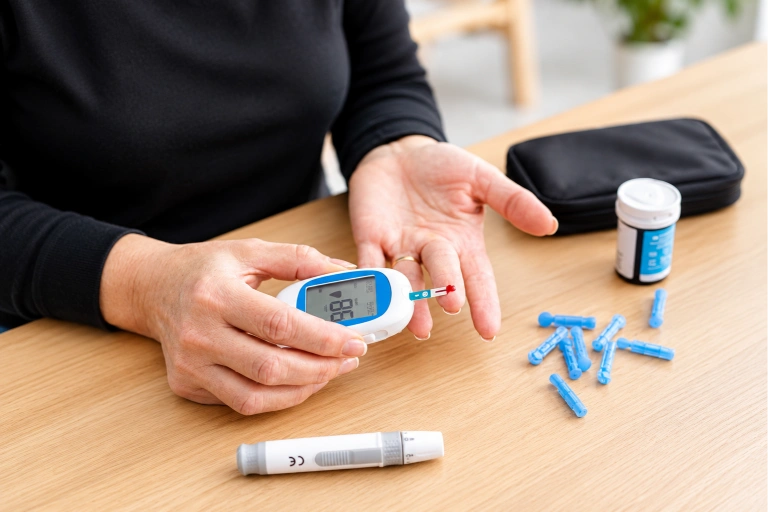
A blood glucose test measures your blood sugar at the time the sample is taken. Food, timing, illness, and certain medicines can affect that measurement. An A1C blood test provides a longer view, reflecting average blood sugar over roughly two to three months. These tests answer related questions, but they aren’t interchangeable in every situation. A metabolic panel can include glucose without including A1C. For someone with diabetes risk factors, either test may be part of a screening discussion.
For someone already managing diabetes, testing can help assess how treatment is working. A1C usually doesn’t require fasting, although other tests ordered alongside it might. Some conditions affecting red blood cells can make A1C harder to interpret.
In those situations, another way of assessing blood sugar may be more useful. An unexpected result may also need confirmation before it supports a diagnosis.
When Might Additional Blood Tests Be Considered?
Additional tests may help investigate concerns that common panels don’t fully explain. The choice depends on your symptoms, history, and previous results.
Thyroid Testing: TSH and Free T4
Thyroid blood tests may help assess unexplained weight changes or other signs of a thyroid problem. Testing often starts with TSH, with free T4 added when needed. Not everyone needs routine thyroid testing.
Ferritin and Iron Studies
Ferritin testing helps assess iron stores, which a CBC doesn’t measure directly. It may be useful with heavy menstrual bleeding, possible anemia, or absorption concerns. Inflammation can also raise ferritin, so a high result doesn’t always mean excess iron.
Vitamin B12, Folate and Vitamin D
Nutrient testing may be considered when symptoms, diet, medicines, or absorption problems suggest a deficiency. B12 and folate support healthy blood cells, while B12 also supports nerves. Vitamin D testing is a separate decision, rather than an automatic part of every evaluation.
Hormone Tests
Hormone tests address specific concerns rather than checking every hormone at once. Timing, medicines, and menstrual patterns can affect results. For example, assessing testosterone deficiency in men generally requires relevant symptoms and repeat morning measurements. A single result is rarely enough to start treatment.
Does Everyone Need the Same Tests Every Year?
No. Testing frequency depends on your risks, previous results, health conditions, and medicines. An annual visit doesn’t mean every test needs repeating.
Why a Bigger Panel Is Not Always More Useful
More tests can uncover findings that don’t explain your symptoms, leading to extra costs and unnecessary worry. Each test should answer a clear question or help guide a decision about your care.
When Repeat Testing May Help
Repeat testing can confirm an unexpected finding or show whether something is changing. It may also help monitor a condition or medicine. The interval depends on the purpose of the test. Repeating everything too soon may add little useful information. Previous results can help determine which measurements deserve another look and which can wait.
How Should You Prepare for Wellness Bloodwork?
Preparation depends on the exact tests ordered. Following the instructions for your appointment helps avoid a sample that needs repeating. It also makes the results easier to compare with earlier measurements.
Fasting Depends on the Tests Ordered
A CBC or A1C test alone generally doesn’t require fasting. Other tests, or a combined order, may have different instructions. When fasting is required, plain water is usually allowed. Coffee, juice, and other drinks aren’t substitutes for water during a fast. Don’t fast simply because you assume all blood tests require it. If fasting instructions conflict with your medication routine, get individualized guidance before the appointment.
Bring Previous Results and a Complete Medication List
A little preparation helps keep useful details from getting lost. Bring or make available:
- Previous laboratory reports, including the dates.
- A list of medicines, vitamins, and supplements.
- Notes about symptoms and when they started.
- Relevant family health history.
Mention supplements even if they seem unrelated to the reason for testing. Don’t stop prescribed medicines on your own to prepare for bloodwork.
What to Expect During the Blood Draw
A blood sample is usually collected from a vein in your arm. You may feel a brief sting or develop mild bruising afterward. Mention any previous fainting, difficult blood draws, or concerns about needles before collection begins.
What Happens After Your Blood Test Results Arrive?
Opening a laboratory report can feel unsettling when numbers appear highlighted or marked high or low. Those flags identify results outside the laboratory’s reference range. They don’t explain the cause or tell you what treatment, if any, is needed.
A Flagged Result Does Not Automatically Mean Disease
Reference ranges help place results in context, but they aren’t a diagnosis. Laboratories may use different methods and ranges, so comparing reports requires care. Food, hydration, medicines, and recent illness can also affect some measurements.
The size of a change matters, as do related results and symptoms. A slightly unusual value may lead to a different response than a major change. Comparing earlier reports can help show whether the finding is new.
Normal Results Do Not Explain Every Symptom
Normal bloodwork doesn’t mean your concerns should be dismissed. It means the measurements taken didn’t show the particular changes being checked. Sleep problems, stress, medication effects, and other health issues may need a different kind of assessment.
Ordering more blood tests isn’t always the most useful next step. A closer review of the symptom pattern may provide better direction. Ongoing symptoms deserve attention even when the initial report looks reassuring.
The Next Step Depends on the Finding
Follow-up might involve comparing earlier results, repeating a selected test, or investigating a specific concern. Sometimes no treatment is needed. In other cases, further assessment helps explain a result before treatment begins.
Bloodwork doesn’t automatically lead to vitamin injections, supplements, or hormone therapy. The useful outcome is a clearer understanding of what the finding means and what deserves attention next.
Discuss Bloodwork With Joi Med in Greenville, SC
At Joi Med Regenerative Wellness and Aesthetics, we offer bloodwork and lab testing. If you’re considering testing, contact us to discuss your concerns and the next step. You don’t need to choose a panel before reaching out.
At Joi Med, bloodwork typically covers hormones, thyroid, a CBC and a CMP. Your provider may add other tests based on your symptoms and health history, so each test has a clear reason behind it.
Start with the question you want answered. This might concern a new symptom or an earlier result you don’t understand. Bring previous reports, explain what has changed, and keep your medication list current. That way, your results actually mean something.
For most services, your consultation is included in the treatment price. A more in-depth consultation that includes bloodwork has its own fee, since it involves more time and testing. Call us and we’ll walk you through current pricing before you book.
Call (864) 887-4281 or book your visit online. You can also visit us at 409 Mills Ave, Suite 205, Greenville, SC 29605.