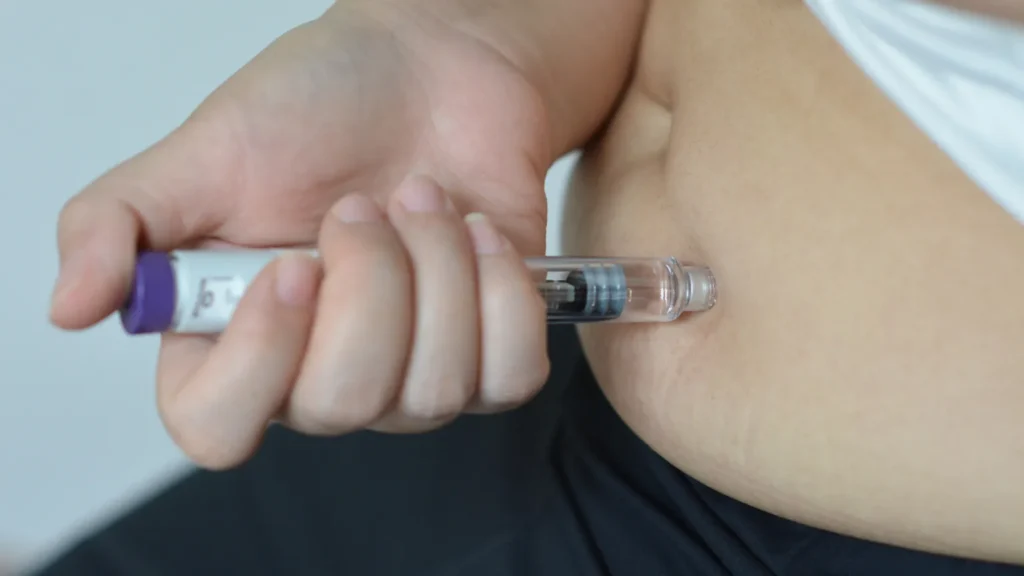
Prescription GLP-1 medications work with your body’s natural appetite and blood sugar signals, so eating less feels more manageable. That matters because losing weight isn’t always as simple as eating less and exercising more. You might eat well, stay active, and still struggle with constant hunger or weight that won’t budge.
What Are GLP-1 Medications?
GLP-1 medications are prescription treatments that copy the actions of glucagon-like peptide-1, a hormone your intestines naturally release after eating. This hormone helps your body recognize when you’ve had enough food. It also supports healthy blood sugar regulation. It influences how quickly your stomach empties. Medications that activate GLP-1 receptors strengthen these natural signals. This can help some people feel satisfied with smaller meals. It may also reduce how often they feel hungry.
Doctors originally prescribed GLP-1 receptor agonists to help manage type 2 diabetes. Researchers later found that certain medications in this class also produced meaningful weight reduction, leading to additional FDA approvals for chronic weight management.
Not every GLP-1 medicine has the same approved uses. Some are intended for diabetes. Others are specifically approved for people who meet certain weight-related medical criteria.
How Do GLP-1 Medications Work Inside Your Body?
Prescription GLP-1 treatments influence several biological processes involved in hunger, digestion, and blood sugar regulation. Instead of directly burning body fat, they help change how much food you feel the need to eat, which can support a lower calorie intake over time.
They Help Your Brain Recognize Fullness
Your brain receives signals from different hormones that influence when you feel hungry and when you’re satisfied. GLP-1 medications act on receptors involved in appetite regulation. This can make it easier for some people to recognize when they feel full. They may then stop eating before becoming uncomfortable.
For example, you might normally finish a large dinner and still want dessert soon afterward. During treatment, a smaller portion may feel satisfying, and the urge to keep eating may become less noticeable.
They Slow Down Stomach Emptying
After you eat, food gradually moves from your stomach into the small intestine. GLP-1 medications slow this process, particularly during early treatment, so food may remain in your stomach longer.
This can contribute to feeling full after eating less. However, slower digestion can also cause nausea, bloating, or discomfort, especially with large meals or high-fat foods.
They Support Blood Sugar Regulation
GLP-1 medications also affect the pancreas, which produces hormones that control blood glucose levels. When blood sugar rises, these medicines stimulate insulin release in a glucose-dependent way and reduce unnecessary glucagon secretion.
Insulin helps move glucose from your bloodstream into cells, while glucagon signals the liver to release stored glucose. Together, these effects can improve blood sugar control, particularly in people with type 2 diabetes.
They Can Reduce Food Cravings
Some people notice that thoughts about food become less distracting during treatment. They may find it easier to pass on snacks, manage portions, or avoid eating simply because food is available.
Some people call this reduced “food noise.” It isn’t a medical diagnosis, and it varies from person to person. Still, it helps explain why some patients find their nutrition plan easier to follow.
Why Do GLP-1 Medications Help With Weight Loss?
The main reason these medicines support weight reduction is that many people naturally consume fewer calories while taking them. Feeling satisfied sooner can make it easier to maintain an energy deficit. Experiencing less hunger may also reduce appetite-related discomfort.
Your body normally responds to weight reduction through several biological changes, including shifts in hunger signals. This can make maintaining a lower weight difficult, even when someone is following a structured eating plan.
GLP-1 treatment can help address part of that challenge by influencing appetite-related pathways. However, its effectiveness still depends on individual biology, medication selection, dose tolerance, and daily habits.
Weight reduction doesn’t happen because the medication melts fat or dramatically increases metabolism. Instead, the body gradually uses stored energy when calorie intake remains below its energy needs.
Can You Lose Weight Without Feeling Hungry All the Time?
Many patients experience less hunger during treatment, although appetite suppression isn’t always complete. You may still feel hungry before meals, which is normal and necessary for maintaining adequate nutrition.
The goal isn’t to eliminate your desire to eat. It’s to support more manageable hunger levels while maintaining balanced meals and appropriate nutritional intake.

Which Prescription GLP-1 Medications Are Used for Weight Management?
Several FDA-approved medications affect the GLP-1 pathway, but they differ in their ingredients, approved indications, dosing, and expected results.
| Medication | Active Ingredient | Main Distinction |
|---|---|---|
| Wegovy | Semaglutide | GLP-1 treatment approved for chronic weight management in eligible patients |
| Saxenda | Liraglutide | GLP-1 treatment administered through daily injections |
| Zepbound | Tirzepatide | Activates both GIP and GLP-1 receptors for chronic weight management |
| Ozempic | Semaglutide | Primarily approved for type 2 diabetes and certain related indications, not specifically weight loss |
| Mounjaro | Tirzepatide | Approved for type 2 diabetes rather than weight management under this brand name |
Although tirzepatide is often discussed alongside GLP-1 medications, it acts on two hormone receptors rather than one.
Semaglutide vs. Tirzepatide: What’s the Difference?
Semaglutide activates GLP-1 receptors, helping regulate appetite, digestion, and blood glucose. Tirzepatide activates GLP-1 and glucose-dependent insulinotropic polypeptide (GIP) receptors, giving it a different biological mechanism.
Clinical trials have shown substantial weight reduction with both medicines, although average results differ. A healthcare professional considers your health history, treatment goals, contraindications, and medication access before recommending an option.
Are GLP-1 Medications Only Available as Injections?
No. Weekly injections are still the most common option, but there are now two FDA-approved pills for weight management. The Wegovy pill (oral semaglutide) was approved in December 2025 and needs to be taken on an empty stomach, with a short wait before eating or taking other medicines. Foundayo (orforglipron) was approved in April 2026 and can be taken any time of day, with or without food. Pills and injections have different dosing instructions, so your provider will walk you through what fits your routine.
Who May Qualify for Prescription GLP-1 Weight Loss Treatment?
Prescription weight management medications are generally considered for adults who meet specific medical criteria rather than anyone hoping to lose a few pounds.
Healthcare professionals commonly use body mass index (BMI) alongside medical history and weight-related health conditions when assessing eligibility.
For many FDA-approved obesity medications, typical adult eligibility includes:
- A BMI of 30 or higher.
- A BMI of 27 or higher with at least one weight-related medical condition, such as high blood pressure, type 2 diabetes, or high cholesterol.
- A clinical evaluation showing that the potential benefits are appropriate compared with the medication’s risks.
BMI isn’t the only measure of health, and meeting a numerical threshold doesn’t automatically mean a prescription is appropriate. Your provider also considers existing conditions, other medications, possible contraindications, and previous treatment approaches.
What If You’ve Tried Diet and Exercise Without Lasting Results?
Repeated weight regain can be frustrating, particularly when you’ve made consistent changes to your eating habits and activity levels. Weight regulation involves genetics, hormones, sleep, medications, and other biological influences beyond daily calorie choices.
A medical evaluation can help identify whether additional support may be appropriate. This might include reviewing thyroid function, blood glucose, current prescriptions, and other factors affecting weight.
Can People Without Diabetes Use GLP-1 Medications?
Yes. Certain FDA-approved weight management medications can be prescribed to eligible people without diabetes.
Having type 2 diabetes isn’t required for every obesity treatment. However, the correct prescription depends on the medication’s approved indication and your individual clinical circumstances.

How Much Weight Can You Lose With GLP-1 Medications?
Weight loss results vary considerably. Some people experience substantial changes, while others lose less than expected or have difficulty tolerating treatment.
Clinical trials provide useful averages, but they don’t predict exactly how your body will respond.
In a major trial published in The New England Journal of Medicine, people taking weekly semaglutide 2.4 mg lost about 14.9% of their starting weight over 68 weeks. The placebo group lost 2.4%. Both groups received lifestyle intervention.
Research involving tirzepatide has also reported average weight reductions exceeding 15% at certain doses over 72 weeks in studied populations.
These findings reflect clinical trial conditions, not guaranteed outcomes for an individual patient. Read the semaglutide STEP 1 clinical trial.
How Long Does It Take to See Results?
Some people notice appetite changes during the first few weeks, but visible weight changes usually develop over a longer period. Treatment often begins at a low dose that is gradually increased to improve tolerability.
During the first month, your provider may focus more on side effects, eating patterns, and medication tolerance than rapid changes on the scale. Over the following months, progress becomes easier to assess as treatment continues.
The amount lost depends partly on the specific medicine, dose, consistency, and whether treatment can be continued safely.
What Does 5% or 10% Weight Loss Actually Mean?
Consider someone who begins treatment at 220 pounds. Losing 5% of their starting weight means losing 11 pounds, while a 10% reduction equals 22 pounds.
Even modest weight loss can have meaningful health benefits. According to the NIDDK, losing 5% to 10% of your starting weight may improve blood pressure, blood sugar, and triglyceride levels.
That makes it useful to track more than a single number. Waist measurements, physical function, laboratory results, and changes in weight-related conditions can help provide a fuller picture of progress.
What Happens During the First Few Months of Treatment?
Starting a prescription weight loss medication usually involves more than receiving a prescription. A medical professional needs to assess your suitability, explain the treatment plan, and monitor how you respond.
Your Initial Medical Evaluation
Your first appointment typically includes a review of medical history, weight trends, current medications, and treatment goals. Your provider may also assess blood pressure and recommend laboratory testing when clinically appropriate.
This evaluation helps identify potential safety concerns and other conditions that may affect treatment decisions.
At Joi Med in Greenville, SC, we offer GLP-1 therapy with bloodwork and lab testing to help guide treatment decisions.
Starting With a Lower Dose
Many GLP-1 treatments use a gradual dose escalation schedule. Beginning at a lower amount gives your digestive system time to adjust and may reduce gastrointestinal side effects.
You shouldn’t increase your dose simply because your appetite hasn’t changed or your weight loss seems slow. Follow the prescribed schedule and discuss any concerns with your healthcare provider.
Monitoring Your Progress
Follow-up appointments provide an opportunity to review weight changes, nutrition, side effects, hydration, and overall well-being. Your provider may adjust treatment based on your response and the medication’s prescribing guidance.
Progress isn’t always consistent from week to week. Temporary fluctuations can occur because of water retention, bowel habits, menstrual changes, and other normal factors.
What Are the Common Side Effects of GLP-1 Medications?
Digestive symptoms are among the most frequently reported side effects. These may be more noticeable when treatment begins or the dose increases.
Common symptoms include:
- Nausea or occasional vomiting
- Constipation or diarrhea
- Abdominal discomfort and bloating
- Feeling unusually full after small meals
- Heartburn or indigestion
Not everyone experiences these problems, and some symptoms improve as the body adjusts. However, persistent discomfort shouldn’t be ignored, particularly when it interferes with eating, drinking, or daily activities.
How Can You Manage Digestive Discomfort?
Smaller meals, slower eating, and avoiding very large or greasy portions may help reduce nausea. Drinking enough fluids is especially important if vomiting or diarrhea occurs.
If you find yourself unable to eat enough or regularly feeling sick after meals, contact your prescribing clinician. A medication or dose adjustment may be needed.
Are There More Serious Risks?
Although uncommon, serious complications can occur. Depending on the medication, warnings include pancreatitis, gallbladder problems, severe gastrointestinal reactions, dehydration-related kidney injury, and allergic reactions.
GLP-1 medicines such as semaglutide and tirzepatide carry boxed warnings concerning thyroid C-cell tumors observed in rodents. They are contraindicated in people with a personal or family history of medullary thyroid carcinoma or multiple endocrine neoplasia syndrome type 2 (MEN 2).
Seek urgent medical attention for severe, persistent abdominal pain, especially if accompanied by vomiting. Trouble breathing or facial swelling can indicate a serious allergic reaction requiring emergency care.
People taking insulin or certain diabetes medications may also have a higher risk of low blood sugar, making medication review particularly important.
Can You Lose Muscle While Taking GLP-1 Medications?
Yes. Weight reduction can involve the loss of both fat and lean tissue, regardless of whether medication is involved.
This matters because muscle supports strength, balance, mobility, and everyday physical function. Rapid weight loss combined with inadequate nutrition may increase the risk of losing more muscle than necessary.
Why Protein and Strength Training Matter
Eating less can make it difficult to consume enough protein, especially when your appetite is substantially reduced. Your nutrition plan should provide adequate protein, essential nutrients, and enough total food to support your health.
Resistance exercise can help maintain strength and muscle during weight reduction. Activities such as lifting weights, using resistance bands, and performing appropriate bodyweight exercises may be useful depending on your physical abilities.
A registered dietitian or qualified healthcare professional can help determine suitable protein and exercise goals based on your age, health conditions, and activity level.
Why Eating Too Little Can Become a Problem
Reduced hunger doesn’t mean your body no longer needs proper nourishment. Skipping meals repeatedly or relying on very small amounts of food may lead to fatigue, constipation, nutrient deficiencies, and inadequate protein intake.
If you’re struggling to eat balanced meals, discuss your symptoms before assuming that stronger appetite suppression is better.
Do You Still Need a Healthy Diet and Exercise?
Yes. Medication can make appetite management easier, but it doesn’t replace balanced nutrition, regular movement, or other habits that support long-term health.
A practical eating plan should include protein-rich foods, vegetables, fruits, whole grains, and suitable sources of healthy fats. The precise balance depends on your medical needs, preferences, and how well you tolerate meals during treatment.
Physical activity also provides benefits that medication alone cannot replace. Regular movement supports cardiovascular health, muscle strength, sleep, mood, and physical independence.
What Should You Eat When Your Appetite Is Lower?
Focus on making the food you do eat nutritionally useful. A meal containing lean protein, vegetables, and a high-fiber carbohydrate generally provides more nutritional value than relying on snacks simply because they’re easy to tolerate.
You don’t necessarily need a complicated diet. Consistent meals, adequate hydration, and an eating pattern you can maintain are often more practical than restrictive rules.
If nausea or early fullness prevents you from meeting your nutrition needs, your provider may recommend adjustments.
What Happens If You Stop Taking GLP-1 Medications?
Appetite may increase after treatment stops, and some people regain a portion of the weight they previously lost.
This happens partly because the medication’s appetite-regulating effects gradually fade. Biological mechanisms that encourage weight regain can become more noticeable again, even when someone intends to maintain their previous habits.
In the STEP 1 extension, people regained about two-thirds of the weight they’d lost within a year of stopping semaglutide and the lifestyle program.
The findings show why weight maintenance deserves as much attention as the initial treatment period. Review the STEP 1 weight regain study.
Will Everyone Regain Weight?
No. Individual results differ, and the amount regained varies.
However, expecting weight maintenance to happen automatically can lead to disappointment. Your provider can help develop a long-term plan that considers nutrition, exercise, ongoing medical treatment, and the underlying factors contributing to obesity.
Are GLP-1 Medications Intended for Long-Term Use?
Some are FDA-approved for chronic weight management, which means treatment may continue long-term when benefits outweigh risks.
The appropriate duration depends on your progress, side effects, medical history, and treatment goals. Stopping or changing medication should be discussed with the prescribing professional rather than handled independently.
Are Prescription GLP-1 Medications Safe for Everyone?
No. These treatments aren’t appropriate for every patient, even when someone meets common BMI criteria.
Pregnancy is an important consideration. Weight management medications should not be used during pregnancy. People planning pregnancy need to discuss medication-specific discontinuation timelines with their clinician. Semaglutide prescribing information recommends stopping at least two months before a planned pregnancy.
Tirzepatide can also reduce the effectiveness of oral hormonal contraceptives during treatment initiation and after dose increases. Its label recommends switching to a non-oral method, or adding a barrier method, for four weeks after starting and after each dose increase.
People with certain digestive disorders, previous pancreatitis, kidney problems, or other relevant health conditions may need additional evaluation. A clinician should review the specific drug label rather than assuming all medicines in this category have identical risks.

How Much Do Prescription GLP-1 Medications Cost?
The cost varies based on the drug, formulation, insurance coverage, pharmacy, and available manufacturer programs.
Some health insurance plans cover weight management medications for qualifying members, while others exclude obesity treatment or require prior authorization. Coverage for diabetes-related prescriptions may also differ from coverage for chronic weight management.
Before starting, ask whether you can afford treatment beyond the first month. Long-term costs may include the prescription itself, medical appointments, laboratory testing, and other services.
Questions to Ask Before Paying for Treatment
Check the exact medication you’re being prescribed, whether it’s FDA-approved for your indication, and which costs are included.
You should also understand how refills work, what happens if the medicine becomes unaffordable, and whether follow-up visits or nutrition support carry additional charges.
A lower advertised price isn’t necessarily a better value if medical supervision, safe medication sourcing, or ongoing support is missing.
How Do You Know If Medical Weight Management Is Right for You?
The decision should begin with your health needs rather than a particular drug you’ve seen advertised.
If you’ve struggled with obesity or weight-related complications, a medical consultation can help determine whether prescription treatment offers meaningful benefits. Your provider should explain the available options, expected outcomes, relevant safety issues, and reasonable alternatives.
You may also benefit from a broader health assessment if fatigue, sleep problems, medication changes, or possible hormonal concerns are affecting your weight.
Our bloodwork and lab testing can help uncover other factors affecting your weight.
What Should You Ask Your Healthcare Provider?
A useful consultation should leave you with answers to these questions:
- Do I meet the medical criteria for prescription weight management?
- Which medication is appropriate for my health history, and why?
- What side effects or warning signs should I watch for?
- How will we monitor my progress and nutritional health?
- What is the long-term plan if treatment works or needs to stop?
You should feel comfortable discussing concerns about cost, injections, previous weight regain, and what realistic success might look like for you.
Take the Next Step Toward Medically Guided Weight Management
Prescription GLP-1 medications can help eligible patients manage appetite, regulate blood sugar, and achieve meaningful weight reduction. Their effectiveness comes from working with biological pathways that influence hunger and digestion, not from replacing healthy habits or producing instant results.
The most useful treatment plan considers your complete health picture, including nutrition, existing conditions, possible side effects, and how you plan to maintain progress.
At Joi Med Aesthetics & Wellness in Greenville, SC, we offer GLP-1 therapy supported by bloodwork and lab testing.
If you’re considering treatment, call us at (864) 887-4281 or visit our clinic at 409 Mills Ave, Suite 205, Greenville, SC 29605. We’ll talk through whether GLP-1 therapy is right for you.