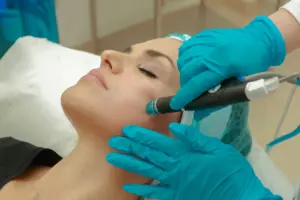
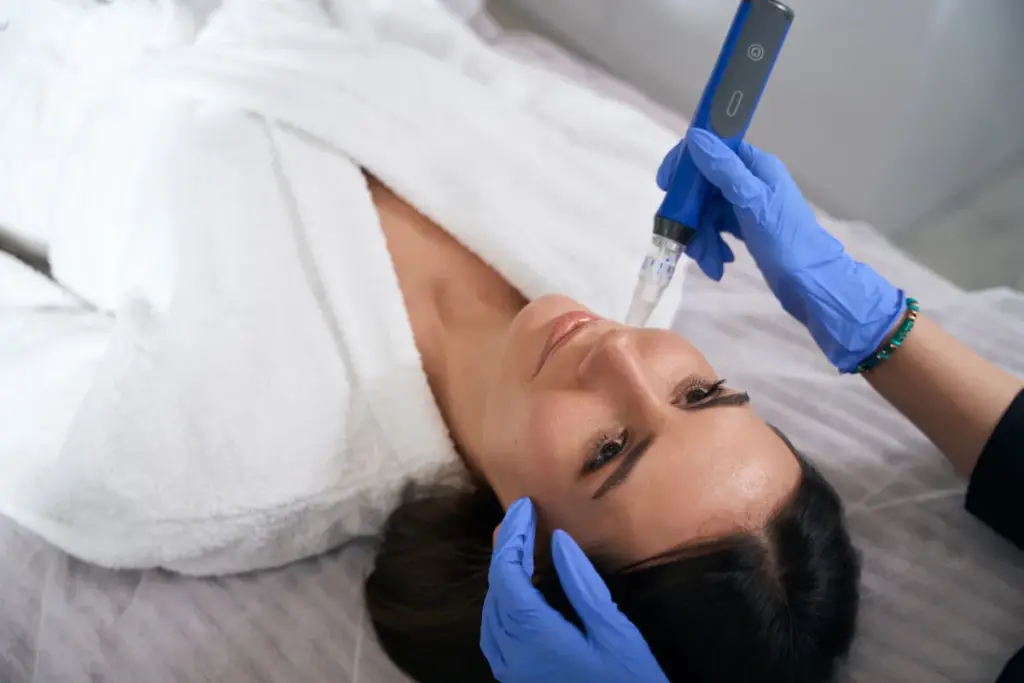
Someone described microneedling to a friend of ours as “letting a stranger stab your face on purpose,” and honestly, that’s the reaction a lot of first-timers have before they understand what’s actually happening. It sounds intense on paper. Tiny needles, repeatedly, across your face, on purpose, paid for. But once you understand the mechanism behind it, the whole thing makes a lot more sense, and it explains why microneedling has held its place as one of the most consistently recommended in-office skin treatments for years now, well past the point where most trends fade out.
If you’ve spent any time in a Greenville skincare group online or scrolled through before-and-afters from local med spas, you’ve probably seen microneedling mentioned for everything from acne scars to fine lines to “just wanting your skin to look better overall.” That range of use cases is legitimate, but it also makes it hard to know if it’s actually the right fit for what you’re dealing with. Here’s the honest breakdown.
What Microneedling Actually Does to Your Skin
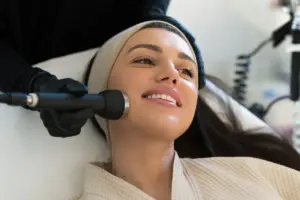
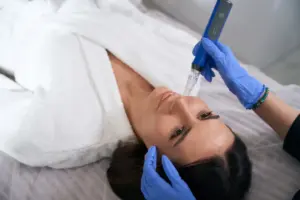
Microneedling uses a device with very fine needles to create controlled, extremely small punctures in the top layers of your skin. That sounds counterproductive until you understand what your skin does in response: it triggers your body’s natural wound-healing process, which includes ramping up collagen and elastin production in the treated area. Those two proteins are what keep skin firm, smooth, and resilient, and production of both naturally declines as you age. Microneedling essentially convinces your skin to produce more of what it’s already stopped making as much of on its own.
Why Controlled Micro-Injury Works Better Than It Sounds
The needles used are extremely fine, and the punctures are shallow and precisely controlled, which is very different from an actual cut or injury. Your skin heals from this kind of controlled treatment quickly, typically within a day or two of visible redness, while the deeper collagen remodeling process continues working for weeks afterward. That’s part of why microneedling results tend to build gradually rather than showing up all at once.
What Microneedling Actually Treats
This is where a lot of confusion happens, because microneedling gets marketed as a fix for nearly everything. Here’s a more honest, specific list of what it genuinely helps with.
Acne Scarring and Texture
This is one of the strongest use cases for microneedling. Acne scarring, especially the shallower, rolling type of scarring rather than deep ice-pick scars, responds well to the collagen remodeling that microneedling triggers. It won’t erase severe scarring in one session, but a series of treatments can make a real, visible difference in overall texture.
Fine Lines and Early Signs of Aging
For patients who aren’t ready for something like Botox or want a non-injectable option to support skin firmness, microneedling can help soften the early appearance of fine lines by supporting collagen production over time. It’s a gradual approach rather than an immediate fix.
Enlarged Pores and Uneven Texture
Pores that appear enlarged are often related to a loss of skin elasticity around them. As microneedling supports collagen production, the surrounding skin can tighten slightly, which often makes pores appear smaller and skin texture more even overall.
What Microneedling Is Not Great For
We’d rather tell you upfront: microneedling isn’t the right tool for significant volume loss, deep static wrinkles that are visible even at rest, or active, inflamed acne. If any of those describe your main concern, we’ll likely point you toward a different service, whether that’s an injectable, our NouvaDerm laser treatment, or a medical-grade skincare regimen instead.
How We Approach Microneedling at Joi Med
We don’t treat microneedling as a one-size-fits-all add-on service. Your treatment starts with a real look at your skin and a conversation about what you’re actually trying to address, because the right number of sessions and the right complementary products depend heavily on your specific concern.
Pairing Microneedling With Medical-Grade Skincare
Microneedling temporarily increases how well your skin absorbs topical products, since the micro-channels created during treatment allow active ingredients to penetrate more effectively than they would through intact skin. We often pair sessions with medical-grade serums sourced through our compounding pharmacy relationship, tailored to whatever you’re specifically treating, whether that’s pigmentation, texture, or general skin support.
A Series, Not a Single Visit
Most patients need a series of sessions, typically spaced several weeks apart, to see meaningful results, since the collagen remodeling process takes time and builds cumulatively with repeated treatment. We’ll map out a realistic plan and timeline during your consultation based on what we’re actually treating, rather than committing you to a flat number before we’ve assessed your skin.
How Microneedling Fits Into a Bigger Picture
Skin texture and tone aren’t purely a topical issue, and if we notice your skin isn’t responding the way we’d expect over the course of a treatment series, that’s worth a conversation about what else might be going on. Hydration, nutrition, sleep, and hormones all affect how well your skin heals and produces collagen, which is part of why Joi Med pairs microneedling with our broader regenerative wellness services when it makes sense. A patient whose skin seems to be healing slowly or whose results plateau earlier than expected might benefit from a look at bloodwork or nutrition, rather than simply adding more sessions and hoping for a different outcome.
What to Expect the Day Of, and Afterward
Most patients describe the sensation as mild discomfort rather than pain, especially with topical numbing applied beforehand, which is standard practice for our microneedling sessions. Your skin will likely appear pink or flushed immediately afterward, similar to a mild sunburn, and this typically resolves within a day or two. We’ll walk you through simple aftercare, including sun protection, since your skin is more sensitive to UV exposure for a short window after treatment — something worth planning around if your appointment falls during a particularly sunny stretch here in Greenville.
Who We See for Microneedling in Greenville
We see a wide range of patients for microneedling — people addressing acne scarring that’s lingered for years, patients in their late twenties and thirties who want to get ahead of fine lines before considering injectables, and people simply looking to improve overall skin texture and tone. We see patients from Greenville, Travelers Rest, Piedmont, Powdersville, Simpsonville, and Five Forks, and many patients pair their microneedling sessions with our other aesthetic or wellness services during the same visit.
Booking Around Greenville’s Seasons
A lot of patients like to plan their microneedling series around the calendar here. Late fall and winter tend to be popular windows, since sun exposure is lower and there’s less concern about UV exposure during the brief sensitive period right after treatment. If you’re someone who’s outside constantly in the warmer months, whether that’s on the Swamp Rabbit Trail or just doing yard work in the Greenville humidity, we’ll factor that into your scheduling and aftercare recommendations so your results aren’t undermined by sun exposure you couldn’t avoid.
Microneedling Frequently Asked Questions
How many microneedling sessions will I need?
This depends on what you’re treating and how your skin responds, so we don’t quote a flat number before your consultation. Most patients benefit from a series of sessions spaced several weeks apart rather than a single treatment.
Is microneedling painful?
Most patients describe mild discomfort rather than pain, especially with topical numbing applied before treatment, which is our standard approach.
How much downtime should I expect?
Typically just a day or two of visible redness, similar to a mild sunburn. Most patients return to their normal routine quickly, though we recommend avoiding significant sun exposure during initial healing.
Can microneedling help with acne scars specifically?
Yes, this is one of its strongest use cases, particularly for shallower, rolling scars. Deeper scarring may respond better to a combination approach, which we can discuss during your consultation.
Is microneedling better than laser treatment for my skin concern?
It depends on what you’re addressing. We’ll help you figure out whether microneedling, our NouvaDerm laser treatment, or a combination of both makes the most sense for your specific skin during your consultation.
If you’ve been curious about microneedling but wanted the honest version before booking, we’re happy to talk through whether it’s actually the right fit for your skin. Joi Med Regenerative Wellness & Aesthetics is located at 409 Mills Ave, Suite 205, in Greenville, SC, serving patients throughout the Upstate.